移動が快適!北海道で賃貸物件を探しているなら苫小牧が良いかも?
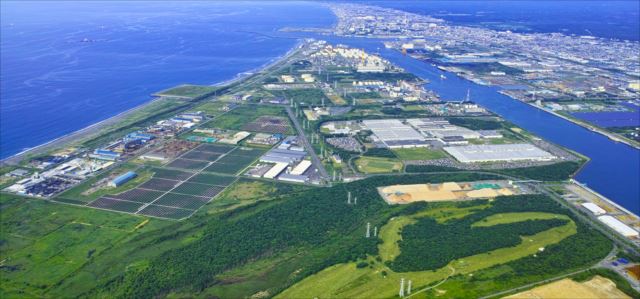
札幌まで1時間ちょっとの好立地!17万人を超える多くの人々が暮らしている苫小牧市。実は今、その苫小牧市が移住先として注目を集めています。なぜ苫小牧市に引っ越す人が多いのかというと、暮らしやすい街であることはもちろんとして、交通アクセスの利便性がとても高いというメリットがあるからです。例えば、北海道で…
良い賃貸物件を選びたい!賃貸物件の探し方を紹介!
家賃を基準に賃貸物件を探す自分の希望する条件が全て当てはまるような賃貸物件は見つかりにくいです。そのため希望する条件の中から優先したいものを決めておく必要があります。例えば家賃を基準に賃貸物件を探すのも1つの方法です。家賃以外の部分を優先してしまうと、家賃が予算をオーバーしてしまうことが少なくありま…
毎日を楽しく過ごそう!自分に合った賃貸の探し方
賃貸を探すときのポイント賃貸を探すときは、まず毎月支払う家賃をどのくらいにするか決めることが大切になります。自分の収入をしっかり考えて、無理のない範囲で決めるといいでしょう。一人暮らしの場合は、自分の求める条件だけを考えて賃貸を選ぶことが出来ますよね。しかし、二人暮らしの場合は、話し合いをしてお互い…
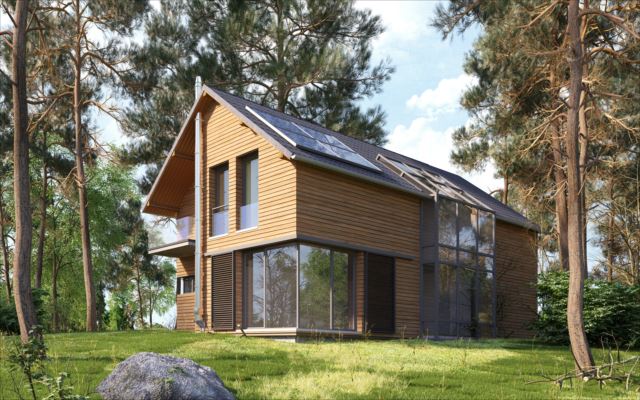
中古の別荘の魅力と購入するときのポイント
魅力ある中古別荘とは別荘といえば、多くの人の憧れともいえる存在ですね。ただ、このところは割と手の届く範囲の値段、約1000万円ほどで購入できる物件もあります。別荘地といえば、素晴らしい自然に恵まれたエリアが多いので、たとえ中古であったとしても、その物件の価格以上の値打ちがあるでしょう。それに加え、連…

後悔したくない!土地選びのポイントについて
通勤・通学のしやすさ土地探しをする時にまず大切にしたいポイントは、通勤・通学がしやすいかどうかなのではないでしょうか。いくら素敵な土地だったとしても、勤務地からすごく離れている場所だったら毎日大変になってしまうかもしれませんよね。そういったことをしっかり考えて、土地探しをしていきましょう。また。お子…
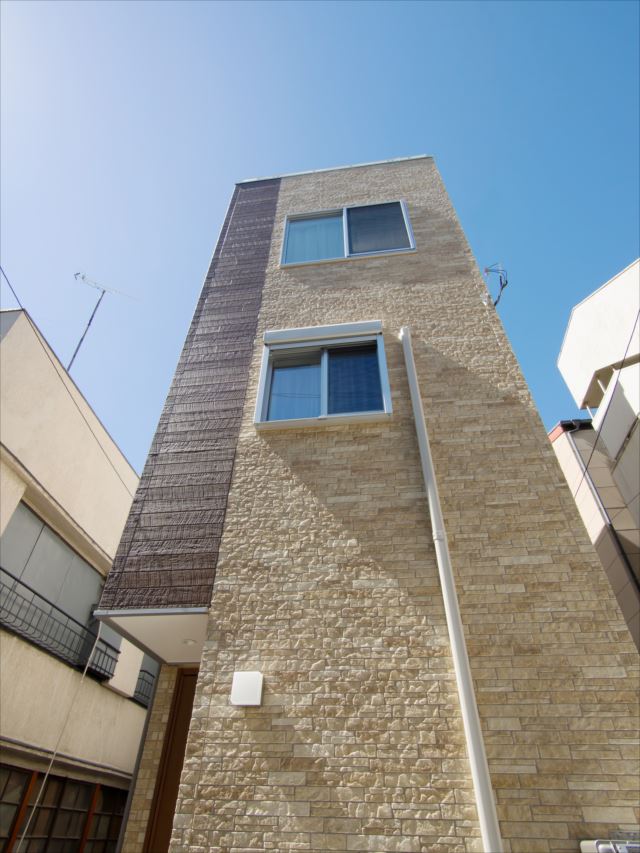
土地代が高い?土地が狭い?それでも諦めないで!狭小住宅でマイホームの実現を!
地価が高いならば狭小住宅という選択肢がある!これからマイホームを新築したいけれど、希望する土地の価格が高くてなかなか手が出せない、こんな方もいるはずです。確かに利便性の高い大都市部や駅前の一等地であれば、地価も必然的に高くなるため、マイホームを諦めてしまうケースも珍しくないでしょう。しかし諦めるのは…
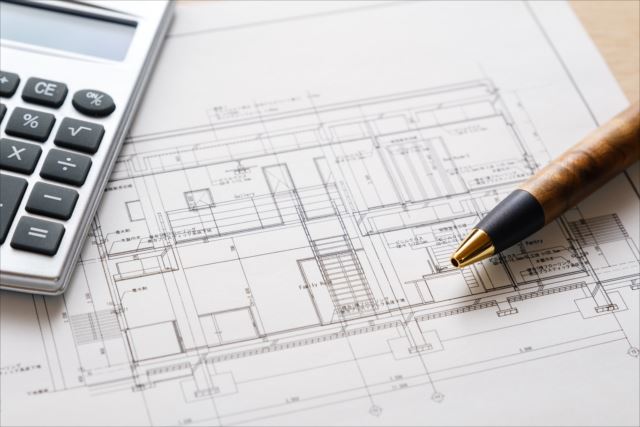
何に気を付ければいい?注文住宅の収納を設計する時の注意点
スペースを過度に広げ過ぎない注文住宅で収納スペースを設計する時に注意しなくてはいけないのが生活空間への圧迫です。収納は主にレジャー用品を始めとした日常生活で利用頻度が少ない物を仕舞っておくために活用されます。利用者の中には少しでも多くの荷物を入れるために収納スペースを広くし過ぎた結果、生活空間が狭く…

ローコストでいて付加価値の高い家にする!考えておきたい2つの点
価格を抑えた家造りのためにできることローコスト住宅とは、同じエリアで建てられる同等の建物に比べて安い価格で購入できる住宅のことを言います。住宅のコストは大きく分けると、材料費と人件費、諸経費の3つになります。それらの費用を抑えることができれば、住宅価格を抑えることができます。特に材料費は、大手のハウ…
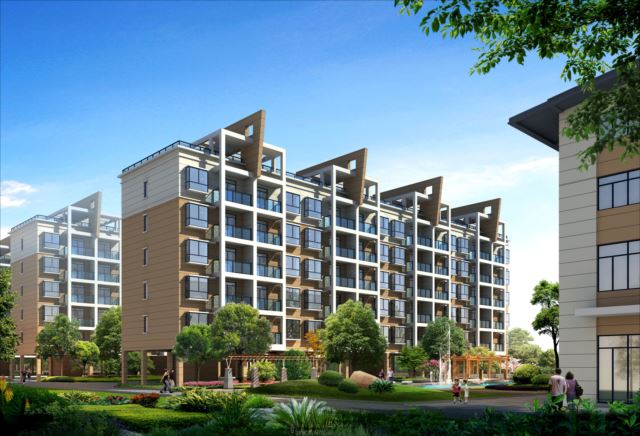
駅が近いと何が良い?駅近物件の付加価値とは!
駅近物件は駅にアクセスしやすいだけではない駅近物件は賃貸物件探しのときによく注目されています。駅から遠い物件に比べるとやや家賃が高めになるものの、住む上でメリットが多いことから選ばれているのが駅近物件です。ただ、駅近物件は駅にアクセスしやすいことだけがメリットだと考えている人もいるでしょう。確かに通…
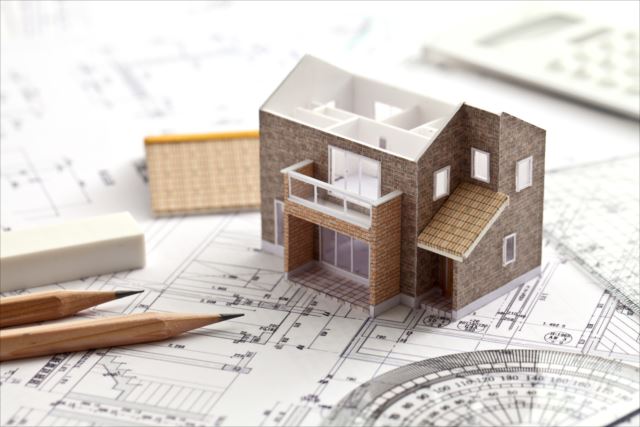
家事動線と収納がポイント!間取りを考える時に失敗しないためのコツ
後悔しない間取りを考える注文住宅は設計の段階から意見を反映させて、自分たちの理想の家作りができることが最大のメリットです。中でも、家の間取りを考えることは家作りの工程の中でも最も楽しくて夢が膨らむ作業の一つですが、頭の中で最高によいと思った間取りでも、実際に住んでみると意外と使い勝手が悪くて後悔した…